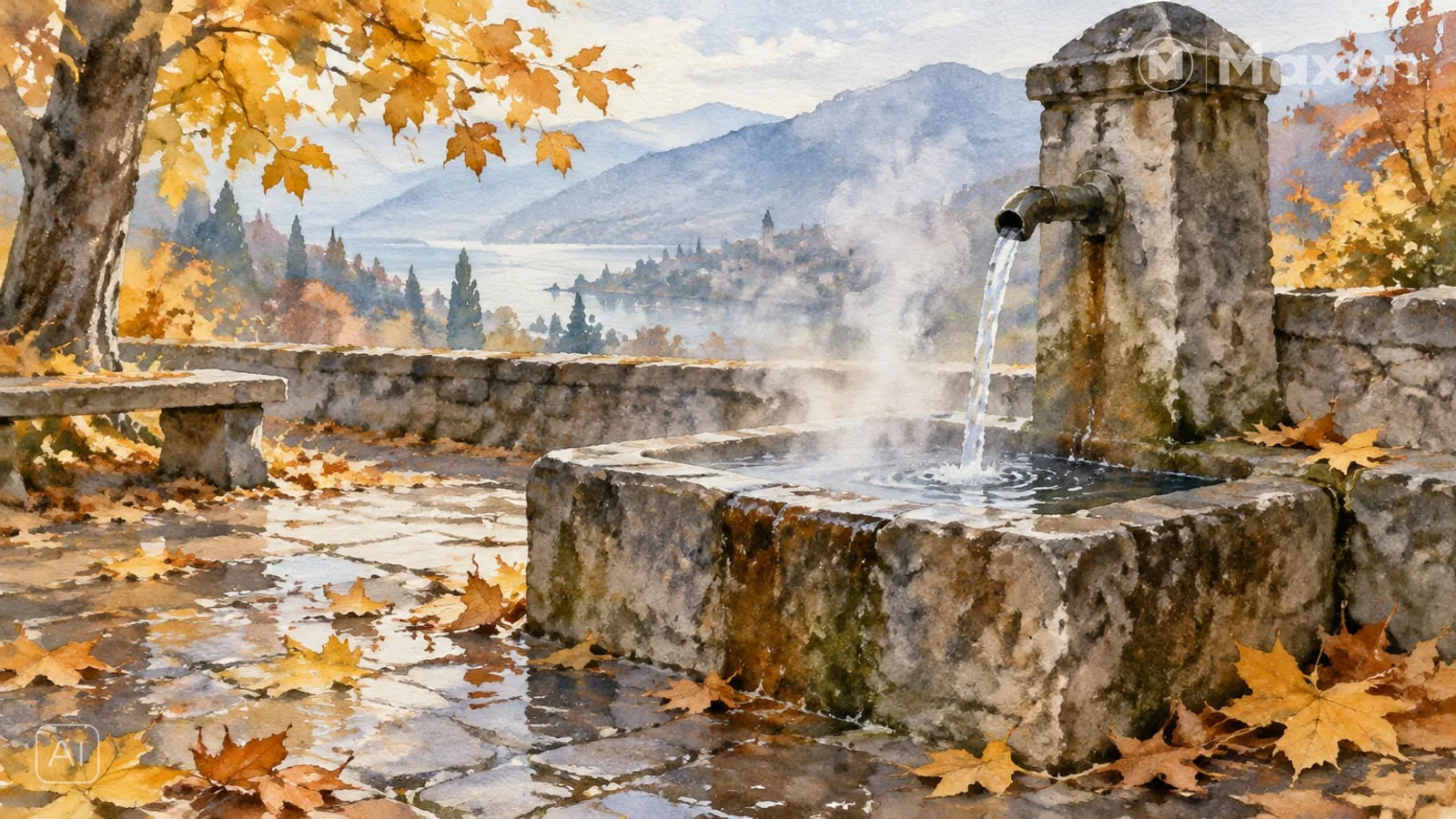
There are cities you visit for their landmarks, and cities you choose for the way they make you feel. Plovdiv belongs unequivocally to the latter. The oldest continuously inhabited city in Europe carries a singular magic—a blend of millennia-old memory and contemporary freedom that locals simply call aylyak. This is not merely a word for idling away the hours; it is a whole philosophy of life: the ability to slow your pace, savor the moment, and find beauty in the smallest details around you.
For anyone considering making Bulgaria their home or a source of inspiration, Plovdiv always holds a special place on the wishlist.
The Old Town: A Stroll Through Eras and Colors
A walk through Plovdiv's Old Town begins with the shift beneath your feet. Smooth asphalt yields to rounded, bluish-gray river stones, and the hum of traffic abruptly fades. Here, the hills (tepeta) do not merely preserve history—they are themselves a stage set with the masterworks of the Bulgarian National Revival.
The architecture in this part of town is lavish, bold, and deeply personal. The 19th-century mansions seem to lean over the narrow lanes, unfurling richly painted bay windows and eaves. Every building tells a tale of travel, commerce, and a quest for elegance:
- Kuyumdzhiev House (Ethnographic Museum): Its majestic dark façade with curved baroque lines and floral motifs is one of the city's most recognizable silhouettes. Inside, the boxwood-lined courtyard offers cool respite, while the exhibits preserve the crafts and tastes of bygone generations.
- Hindliyan House: Built for a wealthy merchant, it astounds with its murals. Its walls feature painted landscapes of Constantinople, Alexandria, Venice, and Lisbon—the places its owner frequented. In the courtyard and interiors, you can still feel the spirit of refined Oriental and European luxury, complete with the famed marble rosewater fountain.
- Balabanov House: With its impressive scale and carved wooden ceilings, today it serves as a vibrant home for the arts, hosting chamber concerts, exhibitions, and literary readings.
Along these streets, time moves to a different rhythm. Fig tree shadows crisscross the cobblestones, climbing roses peer over stone walls, and cracked-open wooden gates reveal peaceful courtyards with benches and grapevine trellises.
The Spiritual Heart: Ancient Sanctuaries Among the Hills
Woven among the Revival-era mansions and ancient ruins stand some of Bulgaria's most significant Orthodox churches. They are not merely monuments, but living spiritual centers filled with light and the scent of beeswax.
The Church of Saints Constantine and Helena, located right beside the Hisar Kapia fortress gate, captivates with magnificent frescoes painted by Zahari Zograf and an opulent gilded iconostasis. A short walk down lies the Metropolitan Cathedral of Saint Marina, renowned for its unique wooden bell tower rising like a spire and its masterfully carved altar canopy. At the foot of the Three Hills, the Church of Saint Nedelya offers peace and contemplation with its centuries-old icons and lovely stone courtyard.
Ancient Heritage That Lives Today
One of Plovdiv's most enchanting qualities is how antiquity coexists with modern daily rhythms. Ancient Philippopolis is not locked away behind glass display cases; it is part of everyday life.
Strolling along the Main Pedestrian Street—one of the longest in Europe—you walk directly above the Roman Stadium. Its northern curve is exposed below street level, right beside the Dzhumaya Mosque. Here, people meet on the steps, sip coffee, and chat, while beneath them lie the marble tiers that once held thousands of spectators for athletic games.
At the top of the southern slope of the Three Hills rests the Ancient Theatre—one of the most striking venues in all of Southeastern Europe. Built in the 2nd century, it still serves its original purpose today. When the sun sets behind the Rhodope Mountains and city lights begin to shimmer in the plains below, the marble seats fill with patrons for the Opera Open festival. Listening to Verdi or Puccini beneath a starry sky, surrounded by Roman columns, is an experience that stays with you forever.
Kapana: The Pulse of Creativity and Flavor
If the Old Town is Plovdiv's memory, the Kapana district is its beating pulse. Once a craftsman hub laid out in medieval fashion—with streets still bearing names like "Ironsmith," "Goldsmith," and "Furrier"—Kapana has been transformed into the country's first successful creative quarter.
Here, the labyrinth of pedestrian lanes bustles from early morning until late at night. By day, the neighborhood smells of freshly brewed specialty coffee, homemade croissants, and wood shavings from handcrafted furniture and jewelry studios. Along the sidewalks, young designers showcase their work, street artists paint murals, and small independent bookshops draw lovers of contemporary poetry.
At dusk, Kapana transforms. Small bars set high-top tables out onto the flagstones, strings of colorful lights strung between buildings flicker on, and the area fills with chatter, laughter, and the sounds of acoustic guitars or jazz. Here, you can sample craft beer from local microbreweries, Bulgarian wines from boutique family cellars, or modern cuisine inspired by Balkan traditions.
A City of Stages and Festivals
Plovdiv's cultural calendar knows no quiet seasons. The city attracts visitors from across the globe with its diverse array of events:
- Kapana Fest: Several times a year, the neighborhood turns into an enormous open-air stage featuring artisan markets, musical performances, street food, and green initiatives.
- Night of Museums and Galleries: A cherished tradition that turns the entire city into an around-the-clock art venue, with every courtyard, gallery, and museum welcoming guests until dawn.
- Plovdiv Jazz Fest: An internationally acclaimed autumn event that gathers world-renowned jazz greats and aficionados in the refined atmosphere of the city's concert halls.
- ONE DANCE Week: A contemporary dance and performance festival showcasing pioneering international choreographers and dance companies.
Evenings on the Main Street and Life Outdoors
Social life in Plovdiv unfolds outdoors. Even in cooler months, outdoor café terraces remain lively thanks to the mild climate of the Thracian Plain. The evening ritual for locals is the korso along the Main Street—unhurried, relaxed, with frequent stops to greet acquaintances. It leads past Tsar Simeon Garden, where the Singing Fountains present light and water performances on summer evenings.
Sunset is almost always greeted on one of the hills. Walking up Nebet Tepe or Bunardzhik with a glass of wine in hand to watch the red-tiled roofs slowly dissolve into twilight, with mountain silhouettes framing the horizon, is an everyday ritual for many.
It is precisely this balance between vitality and calm that inspires more and more international buyers and Bulgarians alike to find their home here. At Maxon, we understand that choosing a property is never just a transaction per square meter; it is the choice of an environment, a culture, and a way of life. Plovdiv offers just that—a city rooted in thousands of years of heritage, looking confidently to the future, and ready to warmly welcome everyone who arrives.